

Signs Your Safe’s Lock Mechanism Is Wearing Out
We rely on our safes to protect the most valuable assets in our homes and businesses. Over time, however, the internal components of a safe’s lock—whether mechanical or electronic—experience wear and tear. Ignoring these subtle red flags can lead to a sudden, frustrating lockout, compromising your security and blocking access to your important items. At King Safe & Lock, we want our clients to be proactive. Recognizing the signs of a failing lock mechanism is key to scheduling timely safe services and maintaining peak security.
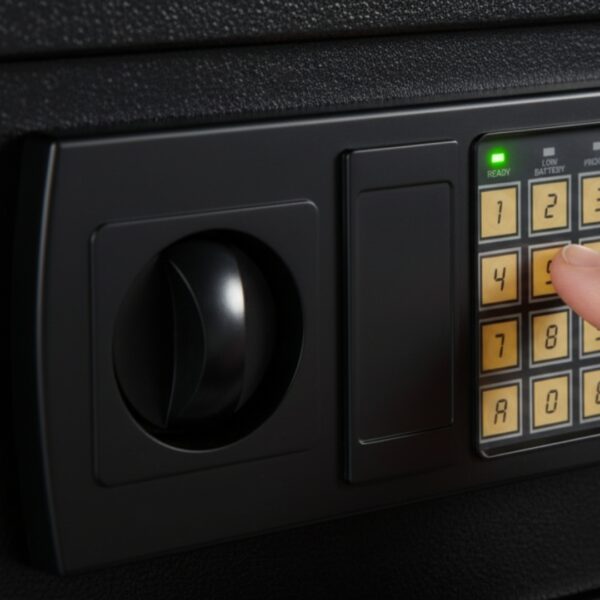
Sticking or Unresponsive
A lock mechanism that is wearing out will often present as resistance during normal operation. For mechanical dials, this feels like an unexpected stickiness, or certain numbers require extra force to align. With electronic keypads, unresponsiveness or intermittent functioning, even after a battery change, is a major warning. This inconsistency means the precise internal parts are misaligned or failing. Our team addresses these issues before a total mechanical or electrical failure occurs.

Unusual Sounds
Lock mechanisms are engineered for quiet, smooth operation. If you suddenly hear grating, scraping, or loud clicking noises when you are opening or locking your safe, that is a serious sign of mechanical trouble. These sounds often indicate that internal parts are rubbing together or have become loose due to excessive friction or wear. Ignoring these audio warnings is risky, as a small mechanical issue can quickly escalate into a complete mechanism failure, requiring complex commercial locksmith services.

Difficult to Close or Latch
The lock mechanism works in conjunction with the door bolts to secure your safe. A less obvious sign of a problem is when the safe door becomes hard to close, or the handle requires excessive effort to engage the locking bolts. This friction or misalignment can put undue stress on the entire locking unit, accelerating wear. For both home and business owners, this difficulty suggests that components are bending or catching.
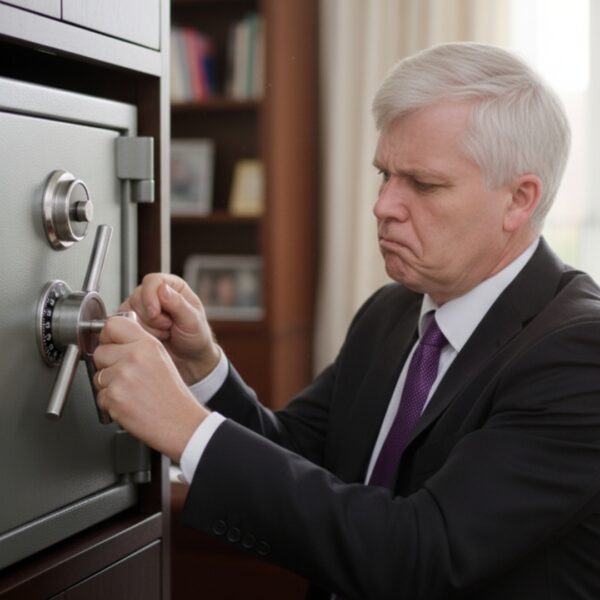
Multiple Attempts to Open the Safe
Having to enter your combination or turn your key multiple times before the safe finally opens indicates a loss of internal precision. This is particularly true for older mechanical locks where the tumblers are worn, or for electronic locks with intermittent circuit board faults. This increasing unpredictability is a clear sign that the locking mechanism is nearing the end of its reliable lifespan.
If you recognize any of these warning signs, it means your safe’s lock is asking for attention. Don’t wait until you are locked out! At King Safe & Lock, we specialize in all facets of safe services, from maintenance and repair to full lock upgrades, including advanced access control services. Our team is ready to provide the expert service you need to ensure your valuables remain safe and accessible when you need them. Contact us today to schedule your safe lock inspection.